Creating a Deck Without Breaking the Bank: Cost-Effective Options for Residential Property Owners
Constructing a deck affordably is a common challenge for a wide range of homeowners. Balancing quality with cost is a frequent hurdle they encounter. Through the use of cost-effective materials and thoughtful design decisions, it's possible to build an attractive outdoor area while staying within budget. A solid grasp of budgeting and upkeep fundamentals can greatly improve the outcome. Achieving a stunning deck starts with well-informed choices that meaningfully impact the final result. What strategies will yield the best results?
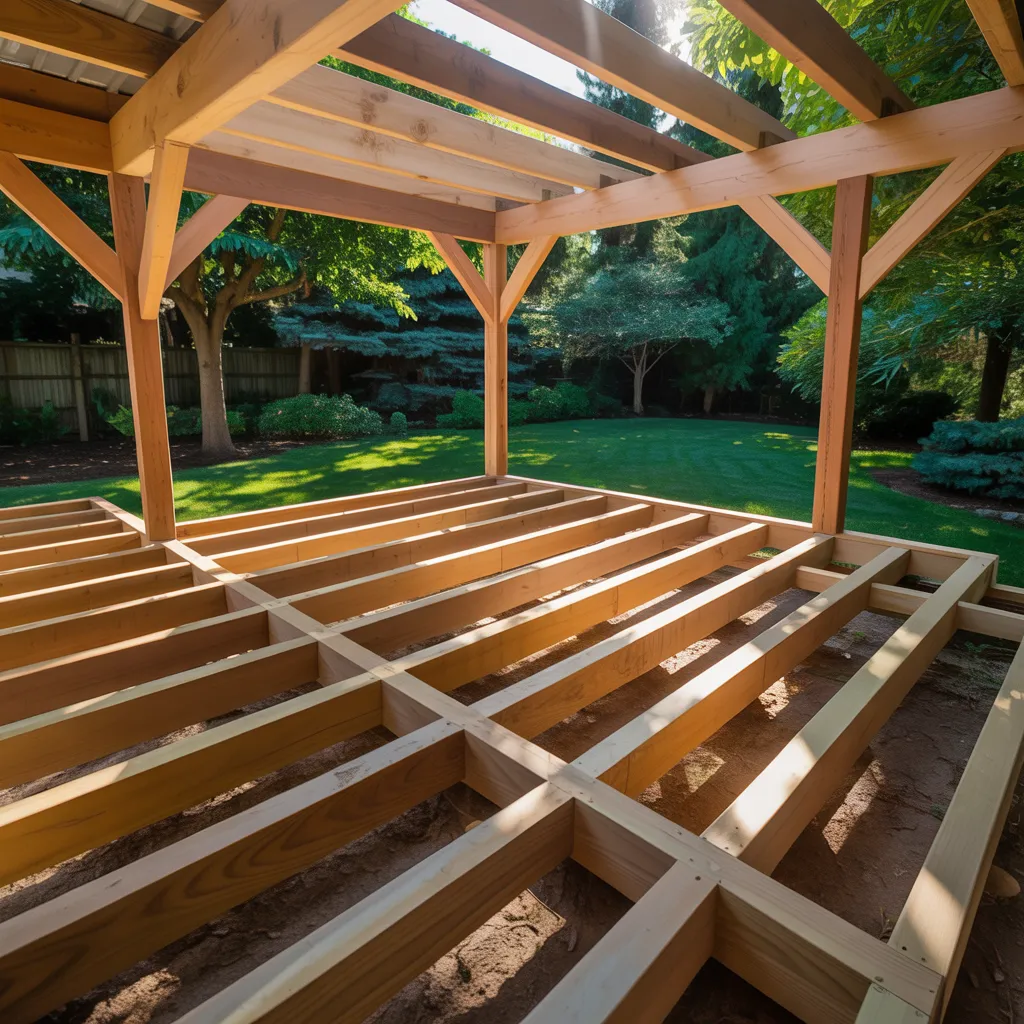
Choosing Budget-Friendly Decking Materials
When considering a deck remodel, homeowners often emphasize affordability without compromising on quality. A key factors affecting budget limitations is the decision regarding decking materials. Pressure-treated wood continues to be a popular option owing to its cost-effectiveness and durability. It demands periodic maintenance but offers a natural aesthetic that many homeowners find appealing. Although composite materials come at a higher upfront cost, they can yield long-term savings through lower maintenance requirements and a longer lifespan. Recycled plastic lumber is another alternative, combining durability with eco-friendliness. Furthermore, options like PVC decking, which offers resistance to rot and fading. Material selection is further shaped by climate considerations, as some options perform better in specific weather conditions. At the end of the day, the ideal decking material should match both financial constraints and the expected durability of the deck, striking an ideal balance between affordability and quality.
DIY Strategies for Affordable Deck Designs
Transforming a backyard with a cost-effective deck plan can be both rewarding and financially practical. Households looking to design a impressive outdoor space can begin by opting for straightforward geometric designs, which decrease unnecessary material use and labor costs. Incorporating recycled timber or wooden pallets can greatly improve budget efficiency while contributing a unique aesthetic to the design.
Including permanent seating can help maximize the available space and cut down on the need for extra furniture, while planters can be integrated into the deck's design for a touch of greenery. Homeowners can also consider using concrete blocks or pavers for a sturdy foundation, creating a distinctive and long-lasting surface.
DIY projects like painting or staining the deck can provide a personal touch while remaining budget-friendly. Finally, reviewing local building codes and guidelines ensures the project stays compliant and prevents unforeseen costs. With careful planning, a beautiful, budget-friendly deck is within reach.
Clever Budget Planning Tips for Your Deck Project
Proper budgeting is crucial for a successful deck project, allowing homeowners to achieve their vision without overspending. To begin, establishing a clear budget is critical; homeowners should identify a maximum spending threshold prior to initiating the planning process. This amount should cover materials, labor, and any unforeseen expenses.
Additionally, identifying key features allows homeowners to concentrate on the most important aspects of their deck, ensuring that essential elements are included within the budget. Investigating local suppliers can uncover more affordable material costs, while reviewing estimates from multiple contractors can generate substantial savings on installation costs.
Additionally, developing a comprehensive list of required materials and expenses aids in tracking costs throughout the renovation. Homeowners should also consider allocating a contingency fund, typically around 10% of the total overall budget, to address unforeseen costs that may arise during the renovation process.
Money-Saving Alternatives to Deck Features
Although many homeowners dream of premium features for their decks, there are many budget-friendly options that can achieve a similar aesthetic without breaking the bank. To illustrate, selecting composite decking can deliver the appearance of wood with minimal upkeep, while remaining more cost-efficient in the long term. In place of pricey built-in seating, homeowners can opt for weather-resistant outdoor seating or handmade benches crafted from salvaged materials.
Railings are another area where savings can be realized; opting for basic cable railings or treated wood rather view now than decorative metal choices can copyright safety while retaining aesthetic appeal. Illumination can be elevated with the addition of solar-powered fixtures, offering ambiance without the installation costs of electric systems. Lastly, decorative touches such as potted plants or outdoor rugs can introduce character and warmth, showing that imaginative solutions can take the place of high costs when crafting an appealing outdoor space.
Cost-Effective Deck Maintenance Tips
Routine upkeep is critical for extending the lifespan of a deck without spending a fortune. Homeowners can start by regularly washing the surface with a mixture of soap and water, which works to prevent mold and mildew accumulation. Employing a firm-bristle brush can efficiently eliminate dirt, maintaining a tidy look.
Checking the deck regularly for loose boards or protruding nails is vital. Timely repairs can avoid more serious problems and reduce costs over time. Applying a protective sealant every couple of years is an affordable way to protect against weathering, extending the deck's durability.
Moreover, avoiding placing plants and furniture on the deck can reduce wear and tear. Property owners should also keep cushions and accessories stored indoors during harsh weather to prolong their lifespan. By adhering to these straightforward maintenance guidelines, residents can sustain a attractive and well-functioning deck without spending a fortune.
Transforming Small Spaces With Budget-Conscious Decks
Creativity proves fundamental in reimagining limited exterior spaces into welcoming deck spaces that optimize practicality and visual appeal. Homeowners can achieve this by selecting compact, multifunctional furniture, which allows for rest and recreation without dominating the environment. Utilizing vertical gardens can elevate aesthetic charm and offer lush vegetation without consuming valuable floor area.
Including built-in storage and seating features can further enhance functionality, guaranteeing that every square foot is used efficiently. Choosing lighter-colored materials can produce an impression of spaciousness, making the area feel larger.
Additionally, property owners should think about modular designs that are simple to rearrange for different occasions, offering flexibility in usage. Basic lighting elements, such as hanging lanterns or string lights, can improve the overall mood without consuming limited square footage. Ultimately, deliberate design selections and affordable materials allow property owners to craft enjoyable deck areas that suit their individual preferences, even in small spaces.
Questions We Often Receive
How Do I Fund My Deck Project When Working With a Tight Budget?
To fund a deck project while keeping costs low, one might consider personal loans, credit cards with low interest, or local government grants. Additionally, considering DIY options or phased construction can help manage costs effectively.
What Building Permits Do I Need for a Deck?
To install a deck, one typically needs a structural permit, which guarantees adherence to local codes. Additional permits may be needed for plumbing or electrical work, based on the location and scope of the project.
How Long Can I Expect My Budget Deck to Last?
A basic deck typically lasts ten to fifteen years, subject to construction materials and care. Considerations like climate, usage, and quality of construction significantly impact the lifespan of the deck. Routine care can increase its durability.
Can I Build a Deck in Winter?
Indeed, one can install a deck in winter, but it necessitates thorough planning. Cold temperatures can affect setting times and materials, so employing appropriate techniques and equipment is essential for successful completion during this season.
Which Tools Are Essential for a Cost-Effective Deck Project
Must-have tools for a cost-effective deck project include a saw, drill, level, measuring tape, square, and safety gear. These tools ensure accuracy and protection while keeping expenses low, making it possible to complete the project without unnecessary spending.